







That’s the future we’re working toward. Our research centers on dynamic nuclear polarization, investigating whether controlled changes in a material’s spin state could provide a new approach to propulsion. Through hands-on laboratory experiments, we’re testing the ideas that could make propellantless spaceflight possible.
We’re not looking to build a better rocket. We’re exploring what comes next.
At Falcon Space, we’re not just thinking about the future; we’re building it. Our dedicated Research & Development team is on a relentless quest to redefine the boundaries of propulsion technology. In a universe where fuel resources are finite, we believe in the infinite potential of propellantless propulsion.
Traditional propulsion methods rely heavily on fuel, which is not only a depleting resource but also adds significant weight to spacecraft, limiting their range and capabilities. Propellantless propulsion, on the other hand, offers a sustainable and efficient alternative, paving the way for longer, more ambitious space missions.
All atoms have spin, but it’s randomly oriented in normal materials – which cancels out any potential forces. What if you could align those spins, so that the axis of rotation for every atom in a material was facing the same direction? You can: it’s done by a process called “Dynamic Nuclear Polarization”.
Nearly four decades ago, a researcher named Dr. Frederic Alzofon conducted a series of experiments that led to a substantial decrease in weight for test-samples. Today, we’re working with his estate and a group of the world’s top DNP scientists to recreate his experimental results for next-generation propulsion.
Our Team & Advisors
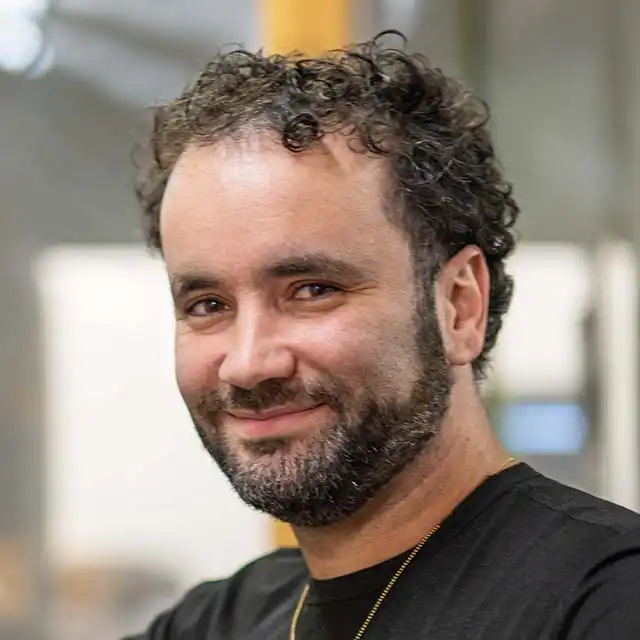
Mark Sokol - Founder & CEO
Mark is an independent researcher and the founder of Falcon Space, a self-funded effort to recreate a variety of breakthrough propulsion experiments focused on scientific accuracy and reproducibility.
With years of hands-on technical experience in the hybrid vehicle battery sector, Mark has applied his knowledge and love of engineering to the realm of alternative propulsion and gravity modification in an attempt to fully explore the many reported experimental claims currently in existence.
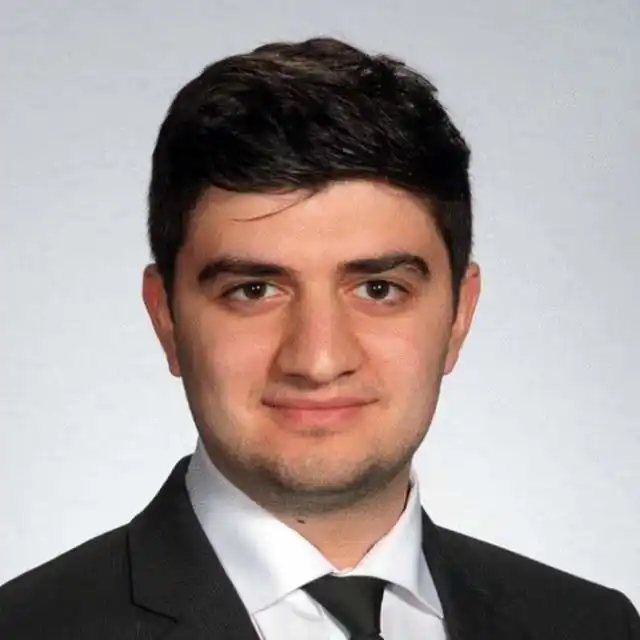
Nino Gancitano
Engineer
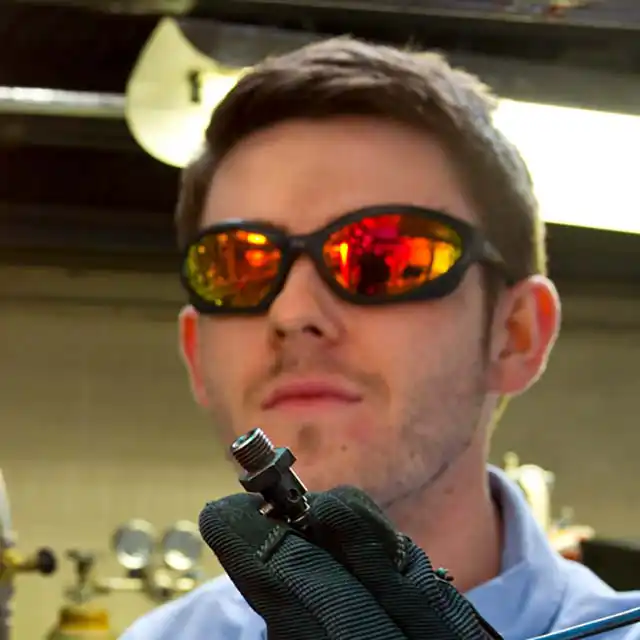
Kurt Zeller
Engineer
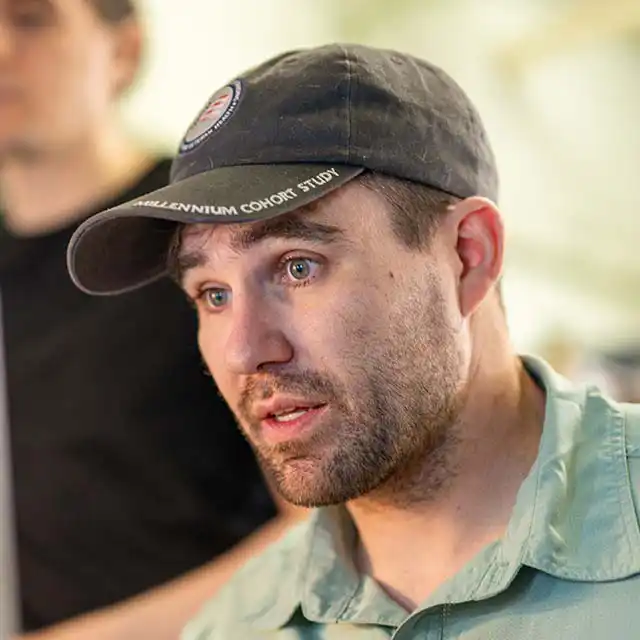
Jarod Yates
Engineering Advisor
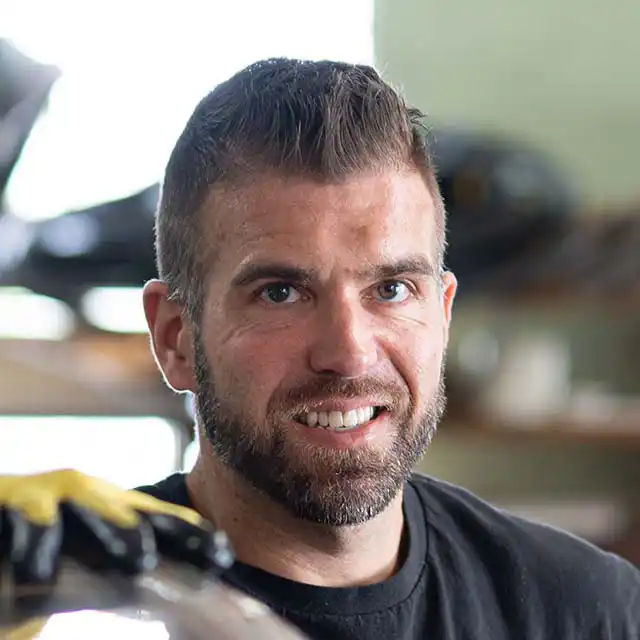
Tom Butler
Research Assistant
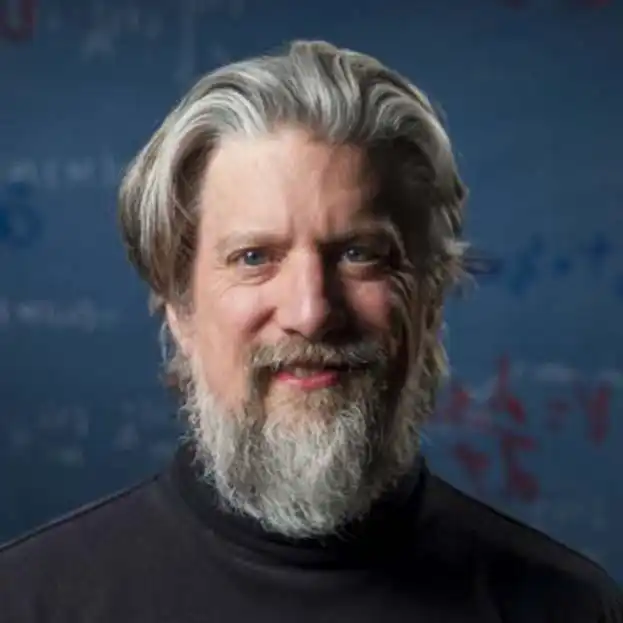
Keith Earle
Scientific Advisor
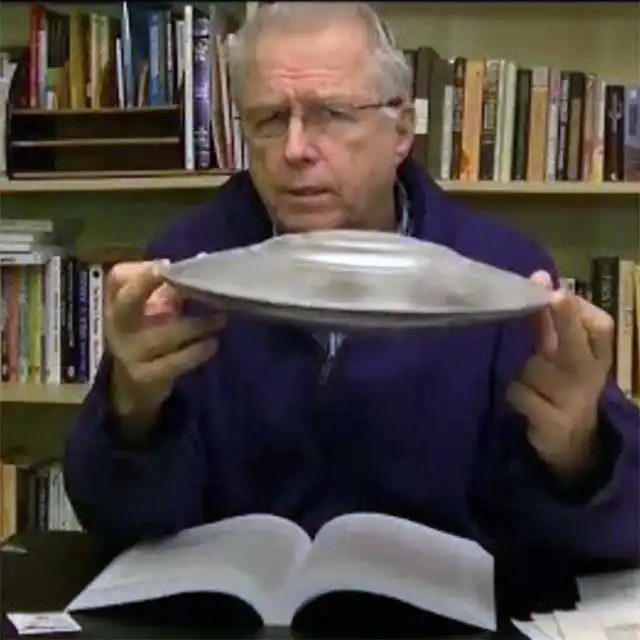
David Alzofon
Strategic Advisor
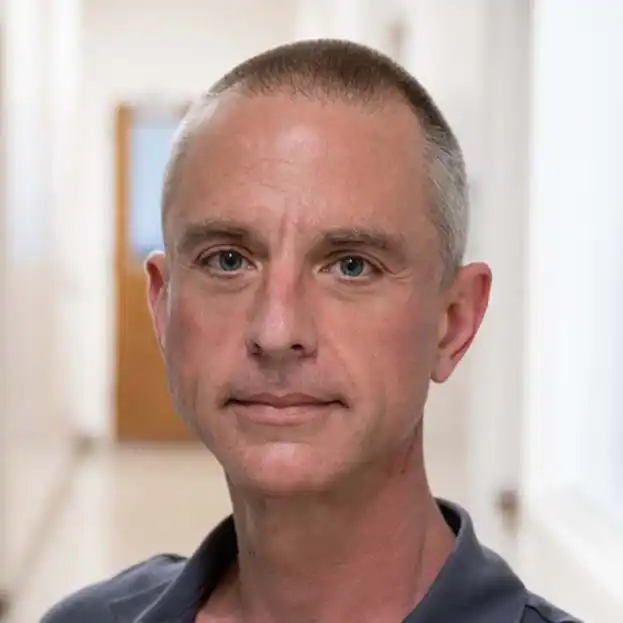
Tim Ventura
Strategic Advisor
Mark Sokol
Founder & CEO
Contact Falcon Space
Send us a message or call us! (908) 738-1728
Your information is confidential and will never be shared. View our Privacy Policy for details.